
Samsung Microwave CD0 error code
- Microwave
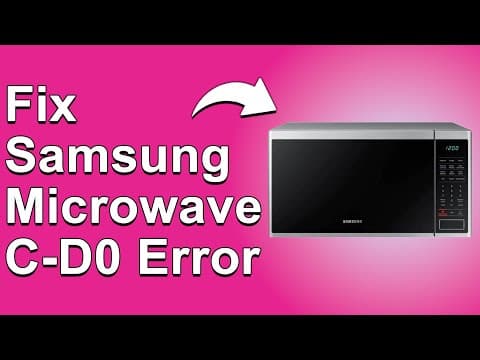
On Samsung microwaves, error CD0 indicates: Door or key error — a key was held too long, or the door switch is not reading closed. Some displays show this as C-d0 or C-d1. Start with a 5-minute power reset at the breaker, then follow the microwave-specific checks below before ordering replacement parts for CD0.
Reviewed August 2025 · sources below
Safe to keep using?
Stop using
Severe overheating requires stopping use until the cause is identified.
- • Unplug the appliance before inspection.
- • Microwave high-voltage components can retain lethal charge even when unplugged.
- • Do not continue using the appliance until the cause is identified.
1 product recall may apply
Brand-level matches — verify your model.
Show
1 product recall may apply
Brand-level matches — verify your model.
- Notice
Samsung Over-the-Range Microwaves Recalled Due to Shock Hazard
Nov 2009 · Confirm your model
Next step
Still seeing CD0?
Show a photo or describe the symptom. Answer a few safety-first questions and see whether a part is needed.
Free guided checks · No account required · Don’t open live electrical, gas, or refrigerant equipment
How to fix CD0
- Unplug the microwave and wait at least 5 minutes — high-voltage components can hold a lethal charge even when unplugged.
- Reset Samsung CD0: leave power off for 5 minutes, restore power, then restart. Confirm whether CD0 returns.
- Check the most common cause for CD0: Door or key error — a key was held too long, or the door switch is not reading closed.
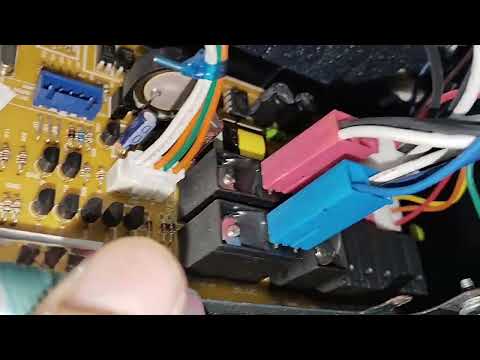
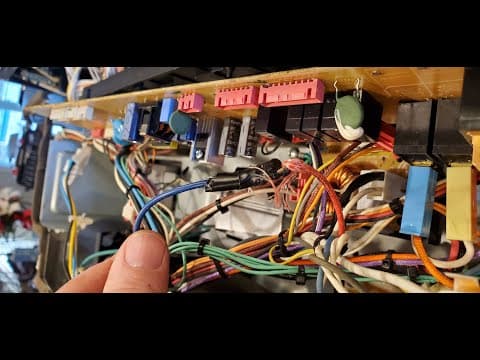
- Inspect the control pad for stuck keys, damaged membrane switches, and loose ribbon cable connections.
- If a reset and basic checks don't clear the code, use our lookup tool for AI-powered diagnosis or contact a qualified technician.
- Reassemble, restore power, and run a test cycle. If CD0 returns, the faulty component likely needs replacement.
Call a pro when: Call a technician before opening the cabinet — microwave high-voltage parts can retain a lethal charge even when unplugged. Also call if you smell burning, see sparking, or the code returns after a reset.
What CD0 means
Door or key error — a key was held too long, or the door switch is not reading closed.
Likely causes
Many codes resolve with cleaning, resetting, or reconnecting.
Check: Power-cycle the appliance and check for obvious blockages or loose connections.
Est. cost: $0–$0
Wear or electrical failure of an internal part.
Check: If basic checks fail, the faulty component likely needs replacement.
Est. cost: $0–$100
Professional assistance recommended
This issue may be unsafe for DIY repair. Follow the safety guidance above and contact a qualified technician.
Questions about CD0
What does CD0 error code mean on a Samsung microwave?
Door or key error — a key was held too long, or the door switch is not reading closed.
How do I reset Samsung microwave CD0?
Unplug the microwave or switch it off at the breaker for 5 minutes, then restore power and restart. A reset clears a stored CD0 after a glitch, but the code will return if the underlying fault is still present.
What part do I need for Samsung CD0?
Not always — some CD0 errors are caused by user-fixable issues like clogs or unbalanced loads. Try the troubleshooting steps first.
Can I fix Samsung error CD0 myself?
Basic resets and stuck-key checks are DIY-safe. Do not open the microwave cabinet or discharge the high-voltage capacitor yourself — call a qualified technician for internal repairs.
Other Samsung Microwave codes
Prevent this problem next time
- Follow manufacturer maintenance schedule
- Address small issues before they worsen
Sources
Manufacturer meaning
Door or key error — a key was held too long, or the door switch is not reading closed.
FixApplianceCode guidance
Start with basic checks for Samsung CD0 before ordering parts.
Source type: Part database
Source: ModelPartFinder + FixApplianceCode editorial
Last reviewed: 2026-10-24
Repair guidance is for informational purposes only. We do not guarantee that any fix will resolve your issue, and you assume all risk when following these steps. Terms & disclaimer
As an Amazon Associate I earn from qualifying purchases. Some links may also earn other retailer commissions, at no additional cost to you. Affiliate disclosure